Easy20 min
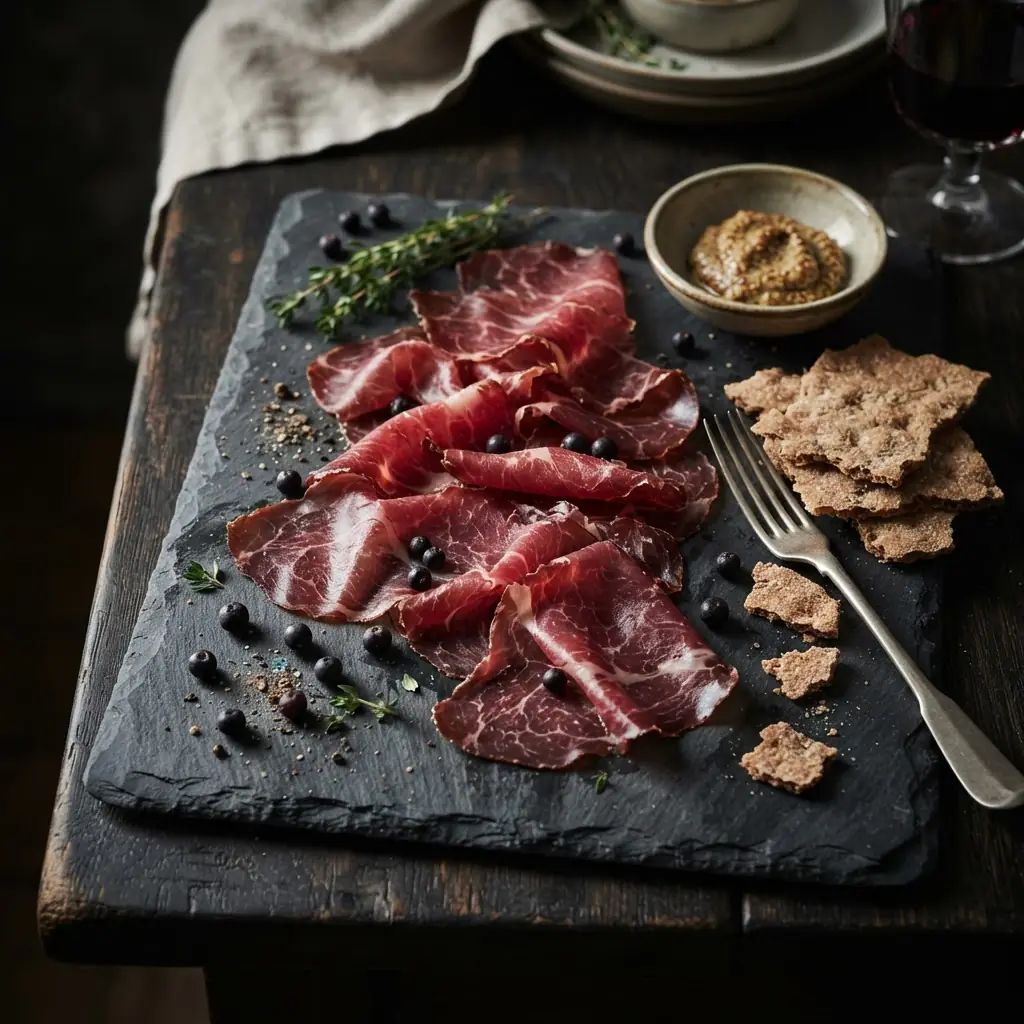
Fenalår
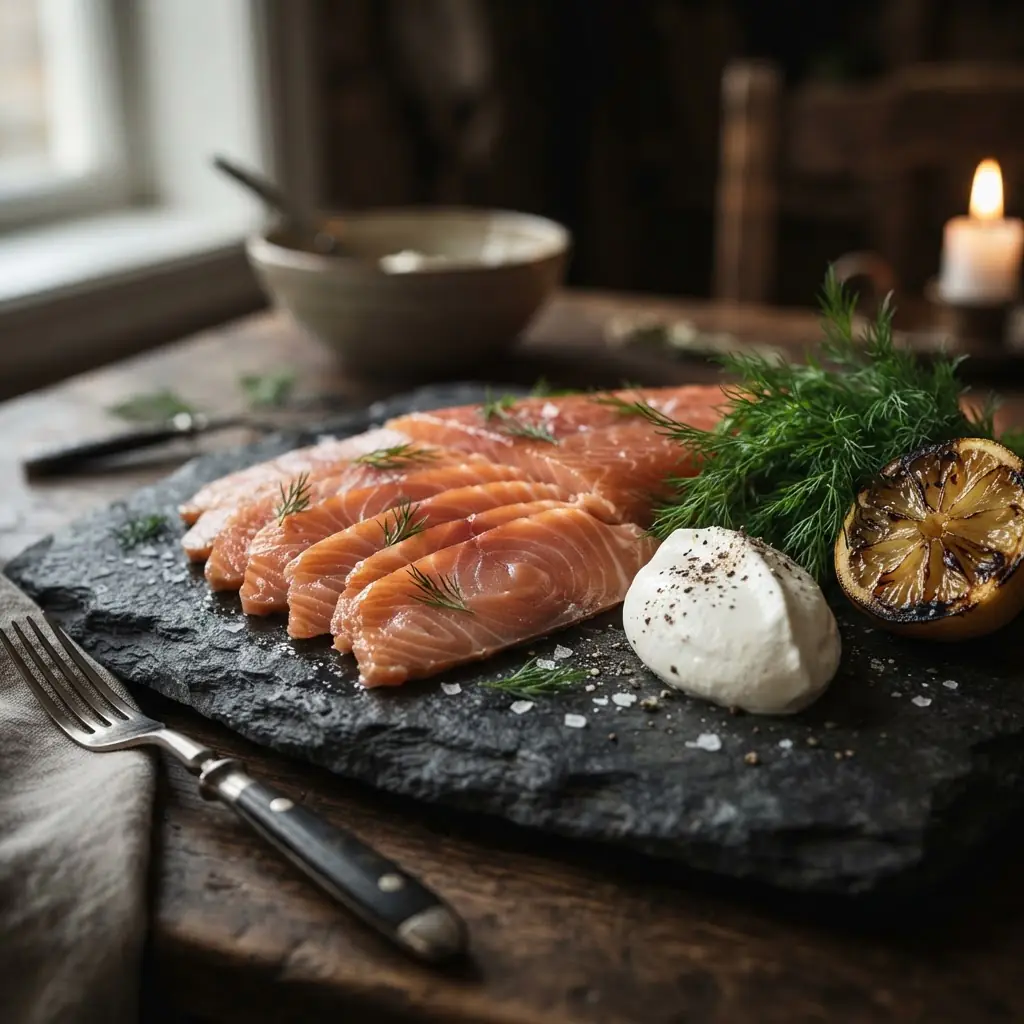
Professionally salt-cured, air-dried leg of lamb from the far north — sliced paper-thin and served with crisp flatbread and juniper.
Lamb legSea saltJuniperBrown sugar
View RecipeRegion · The North
The Arctic homeland of the Sámi, cooked to a herding calendar of eight seasons — reindeer, freshwater fish, cloudberries, and everything the north knows about making autumn last until spring.
14 recipes · content last checked
Sápmi is not a Norwegian county and not a period in history. It is the homeland of the Sámi — an Indigenous people whose territory crosses northern Norway, Sweden and Finland and reaches into the Kola Peninsula — and the cooking that comes out of it belongs to a culture with living languages, its own institutions and its own working livelihoods. Reindeer herding is one of them, carried on here now rather than remembered. Gáhkku, the soft hearth bread, is baked on an ordinary weekday. Suovas is sold hot at winter markets. None of it is a re-enactment; it is simply the north, cooking.
Herding sets the calendar. Reindeer move between inland winter pasture, where lichen is dug from beneath dry snow, and the coastal and mountain grazing of summer — a migration measured in tens or hundreds of kilometres depending on the district. The work is organised through the siida, the herding group that shares pasture and labour, and the year is commonly counted in eight seasons rather than four, because calving, marking, separation and slaughter are each held to be a time of their own. Most meat enters the household after the autumn slaughter. Much of what follows in this collection is, at bottom, a way of making autumn last until spring.
An Arctic larder is narrow and deep. Reindeer carries most of it: bone-in cuts for bidos, the stew ladled out at weddings and midwinter gatherings; meat frozen and shaved thin for finnbiff; salted and smoked reindeer for suovas; trimmings bound with fat for reinsdyrpølse; and bones for the stock that stands behind much of the rest. Cold water supplies the fish — Arctic char and mountain trout from lakes that never really warm. The gathered layer is the third: cloudberries from the bogs, lingonberries and juniper from the heath, angelica — kvann in Norwegian — whose peeled stems were traditionally eaten green, and birch, which gives sap in spring, bark for vessels and smoke for the fire.
Before refrigeration, four techniques did the preserving, and they were usually combined. Cold, dry inland air dries meat and fish without heat, which is why drying racks stand where the wind does. Salt, once trade made it affordable this far north, made that drying quicker and surer. Smoke over birch and alder both flavoured and dried; on the pages that follow it survives as flavour, in suovas and in cold-smoked røye. The winter itself served as an outdoor freezer for months at a stretch — the reason shaved frozen reindeer became a technique rather than a compromise. Berries were kept another way again: cloudberries were traditionally stored in water rather than in sugar. None of this is set down here as a method to copy — the recipes in this collection that touch cured or smoked food are written around professionally produced meat and fish, not around a home cure.
It is worth saying what this collection is not. Sámi cooking is not a regional accent of a generic "Nordic" style, and the dishes that carry Sámi names keep them here: bidos — often written biđus in North Sámi — along with gáhkku and suovas. Nor is every recipe filed here Sámi. Kaffeost, cubes of baked cheese dropped into hot coffee, is shared with Kven and northern Finnish tradition; blodklubb is a northern Norwegian farm dish; fenalår is cured across Norway's mountain districts rather than in Sápmi in particular; and hjortestek is red deer, far more an animal of the western fjord country than of the Arctic. They are filed together, and reading them side by side is useful. Collapsing them into a single tradition is not.
Two recipes here — fenalår and cold-smoked røye — are written around professionally produced meat and fish and carry their own food-safety callouts. This hub describes no curing or smoking method; read the callout on the recipe page before you buy, store or serve either.
Professionally salt-cured, air-dried leg of lamb from the far north — sliced paper-thin and served with crisp flatbread and juniper.
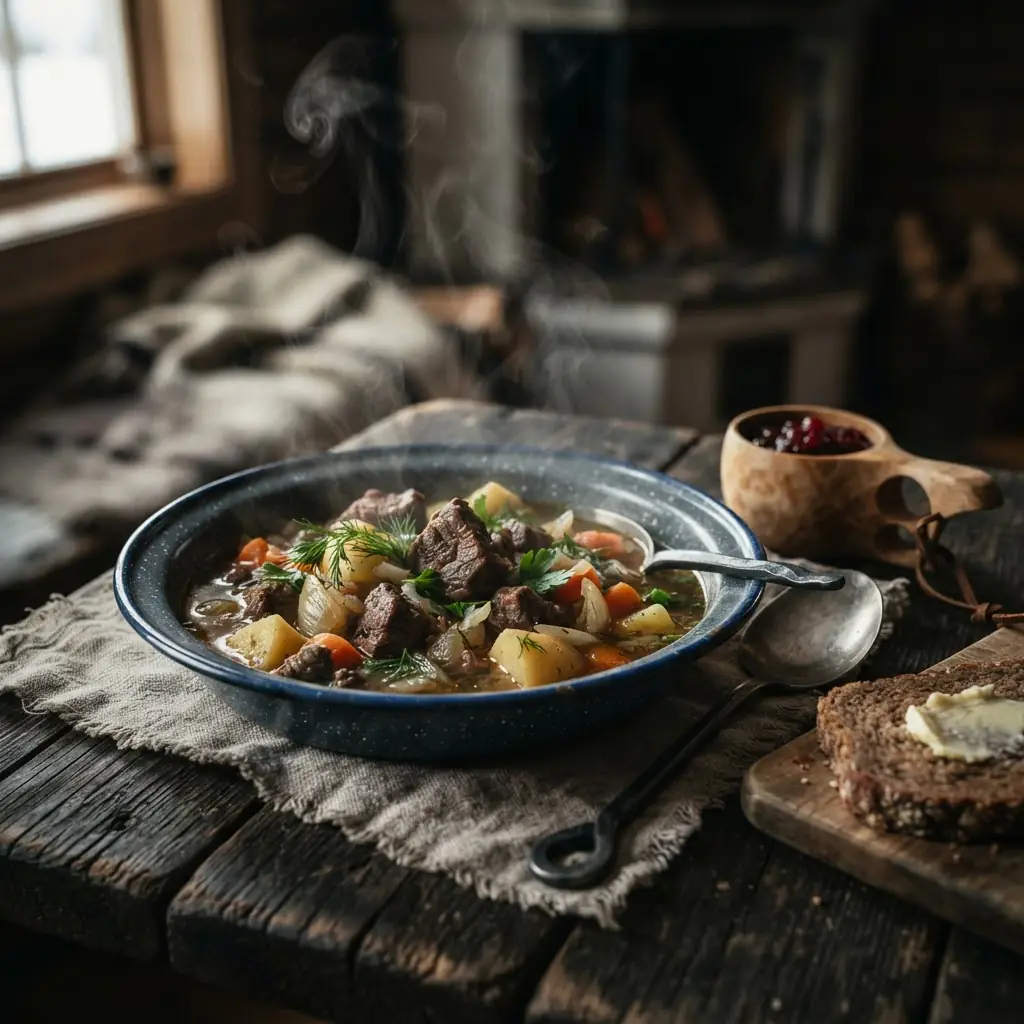
The Sami wedding stew — tender reindeer simmered with potatoes and carrots in a deeply savoury broth.
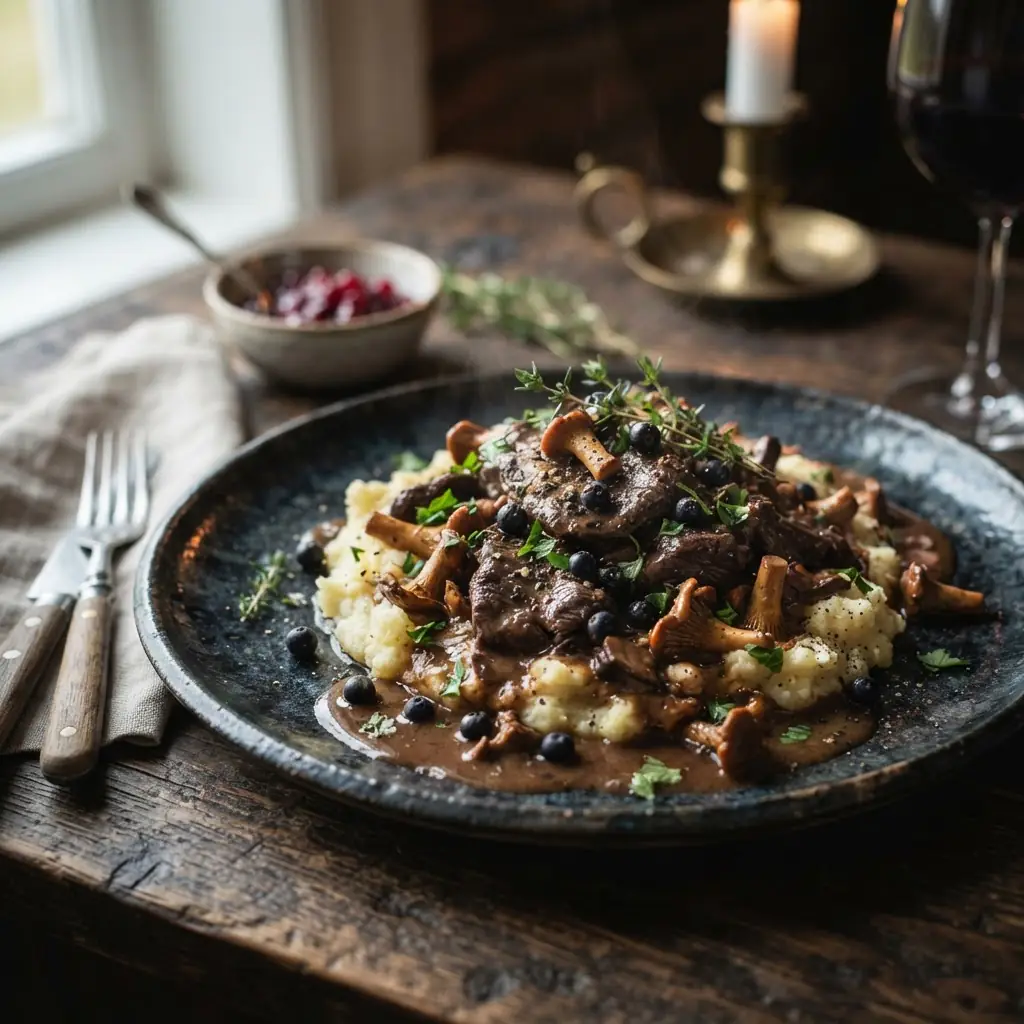
Thinly shaved reindeer sautéed with mushrooms, finished with brown cheese and a splash of cream.
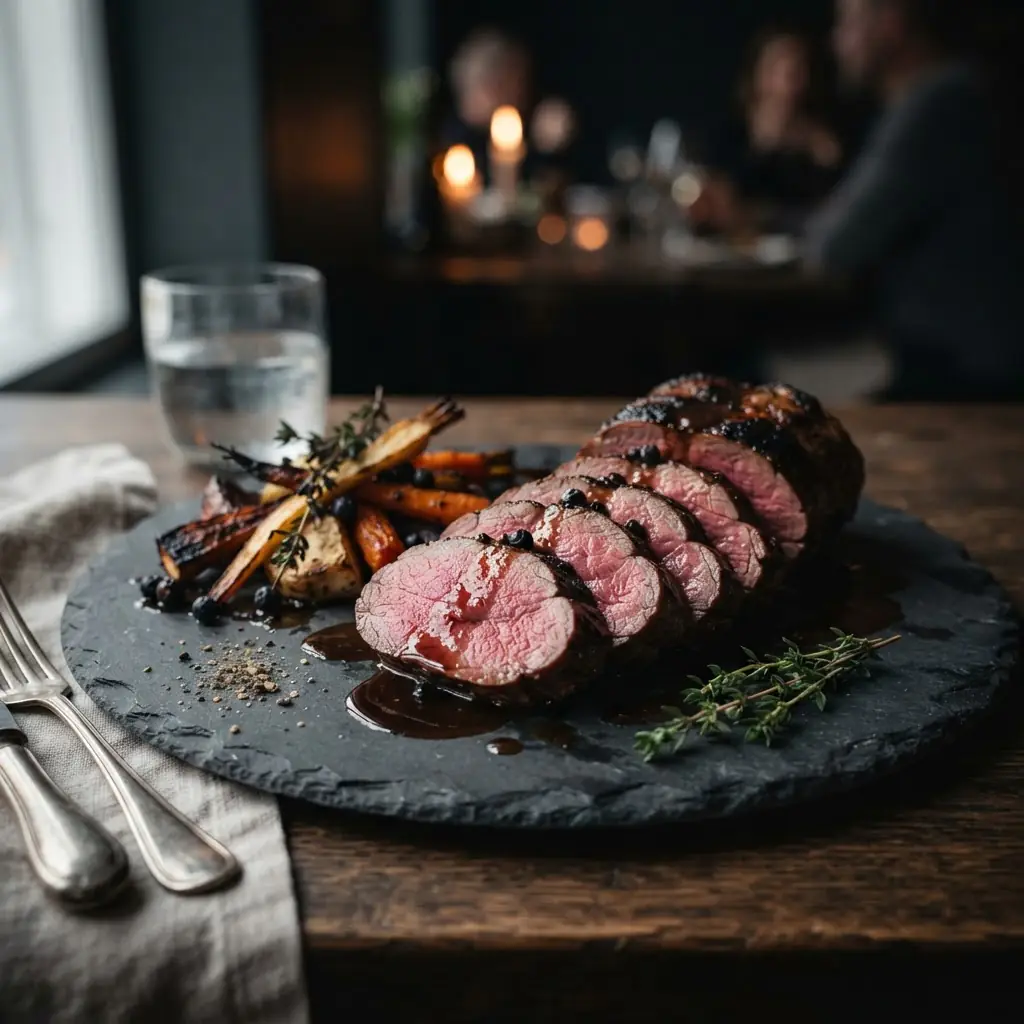
Roast saddle of reindeer with a juniper-and-thyme crust, served pink with a glossy game sauce.
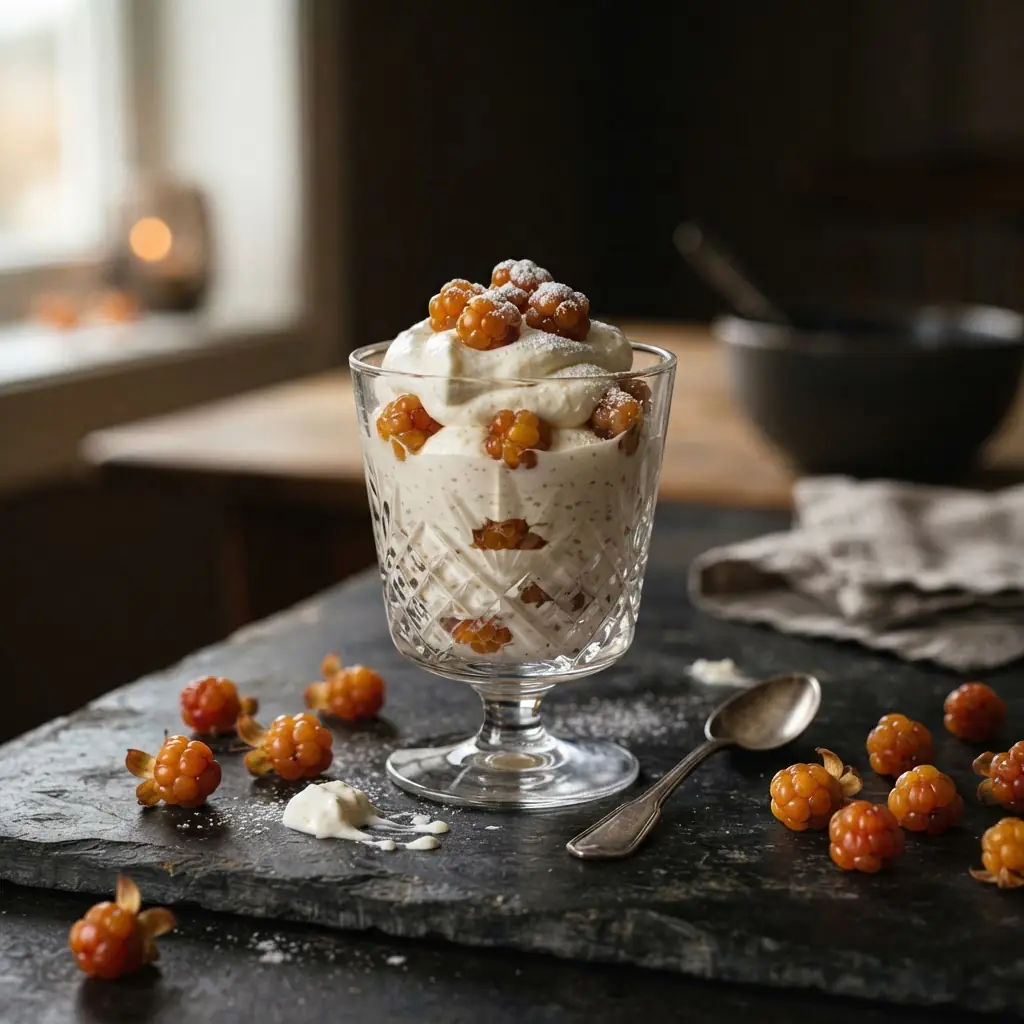
Amber cloudberries — the gold of the tundra — folded through softly whipped, lightly sweetened cream.
Arctic char cold-smoked over alderwood until silken and burnished, served with sour cream and dill.
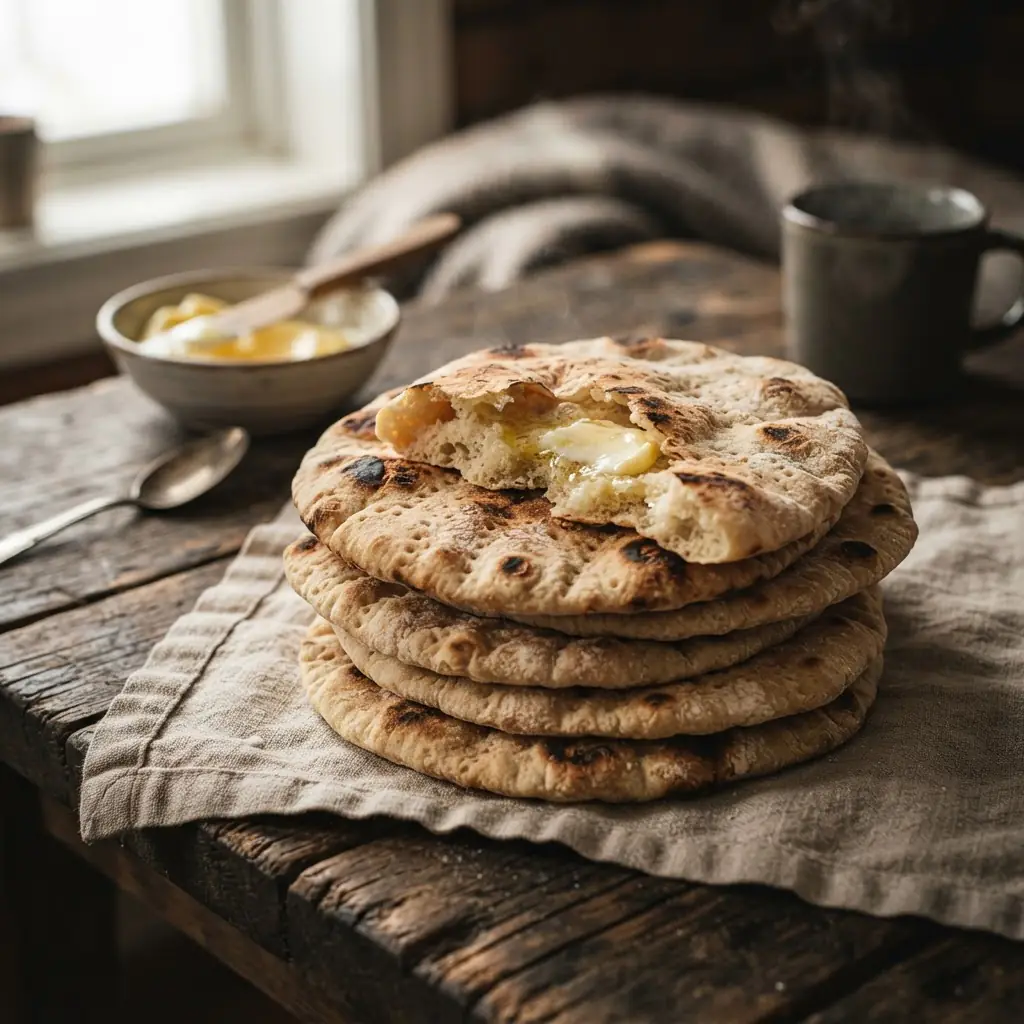
Soft Sami hearth bread with a faint fennel warmth, torn hot and spread with thick butter.
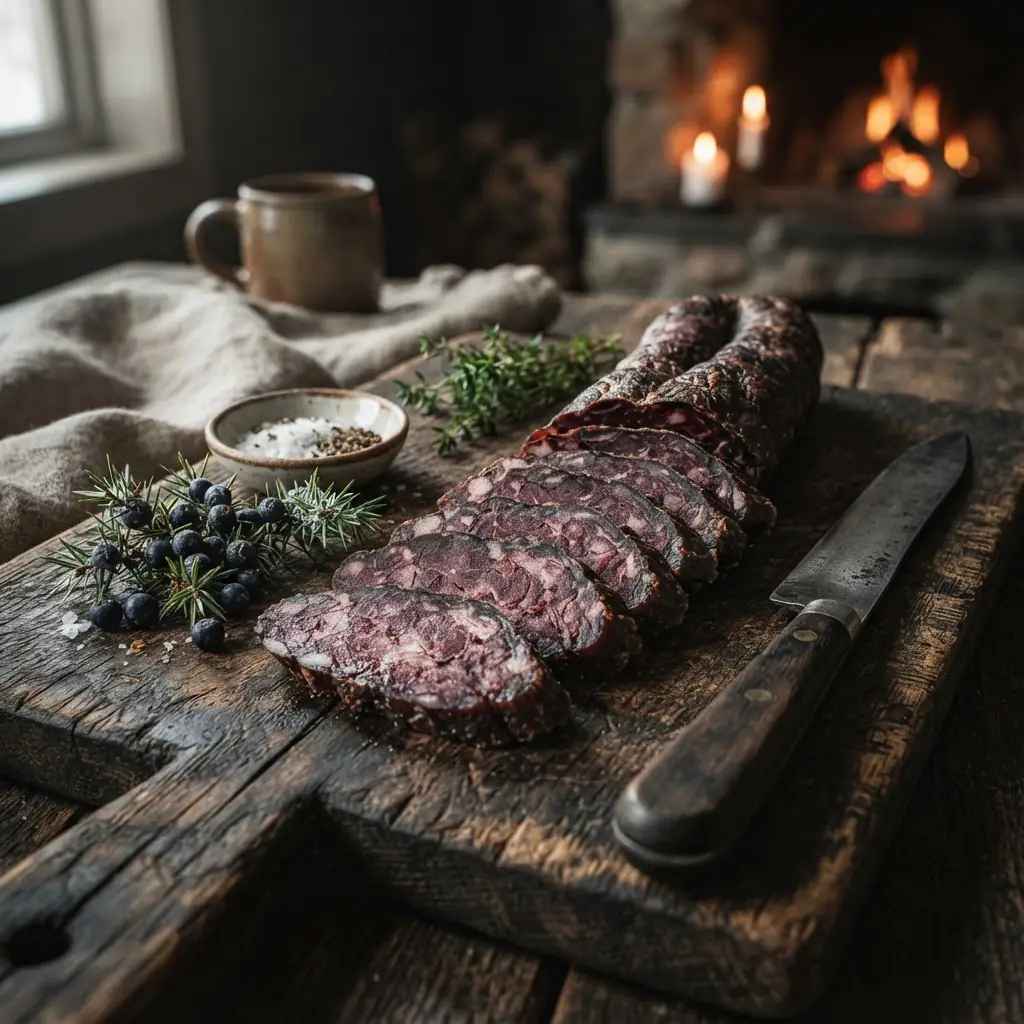
Cured, lightly smoked reindeer sausage — dense, wild and faintly sweet — sliced for the mountain table.
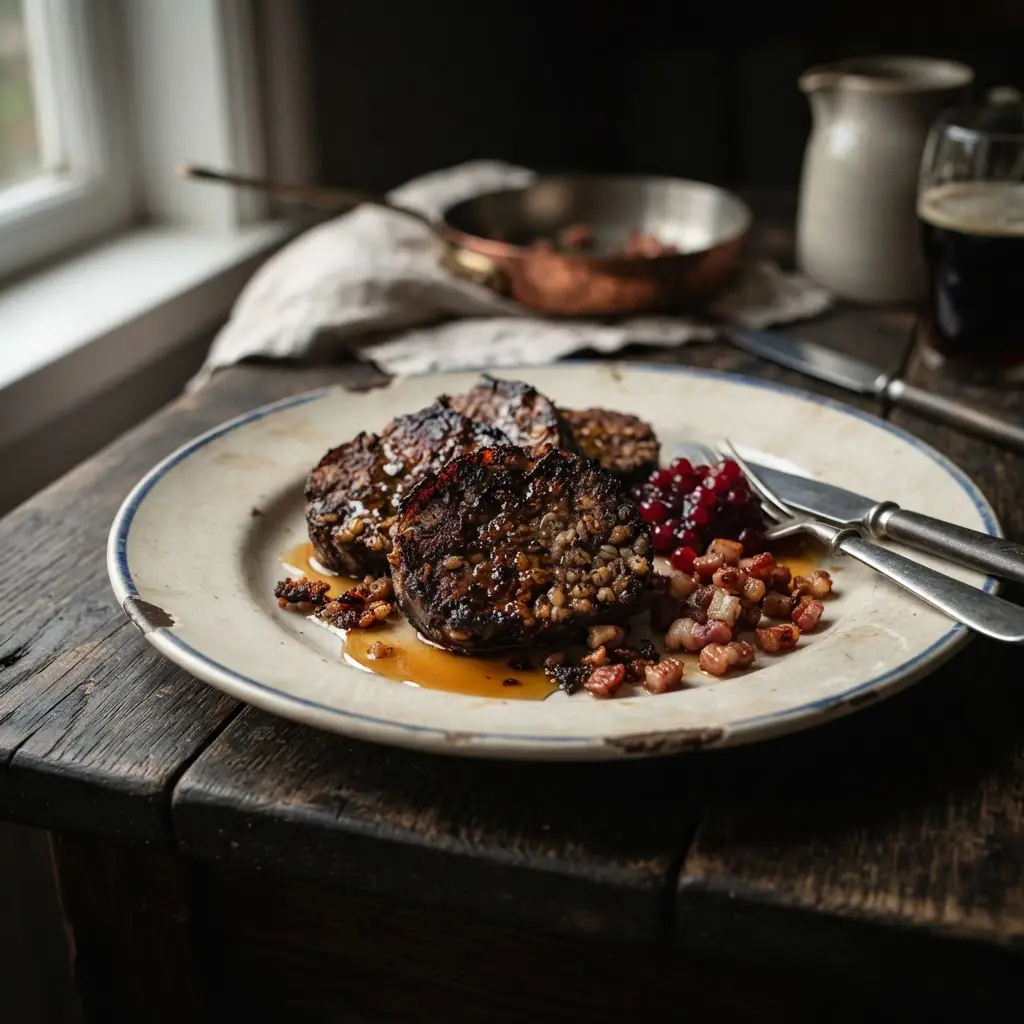
Dense barley-and-blood dumplings, sliced and pan-fried in butter, served with syrup or bacon.
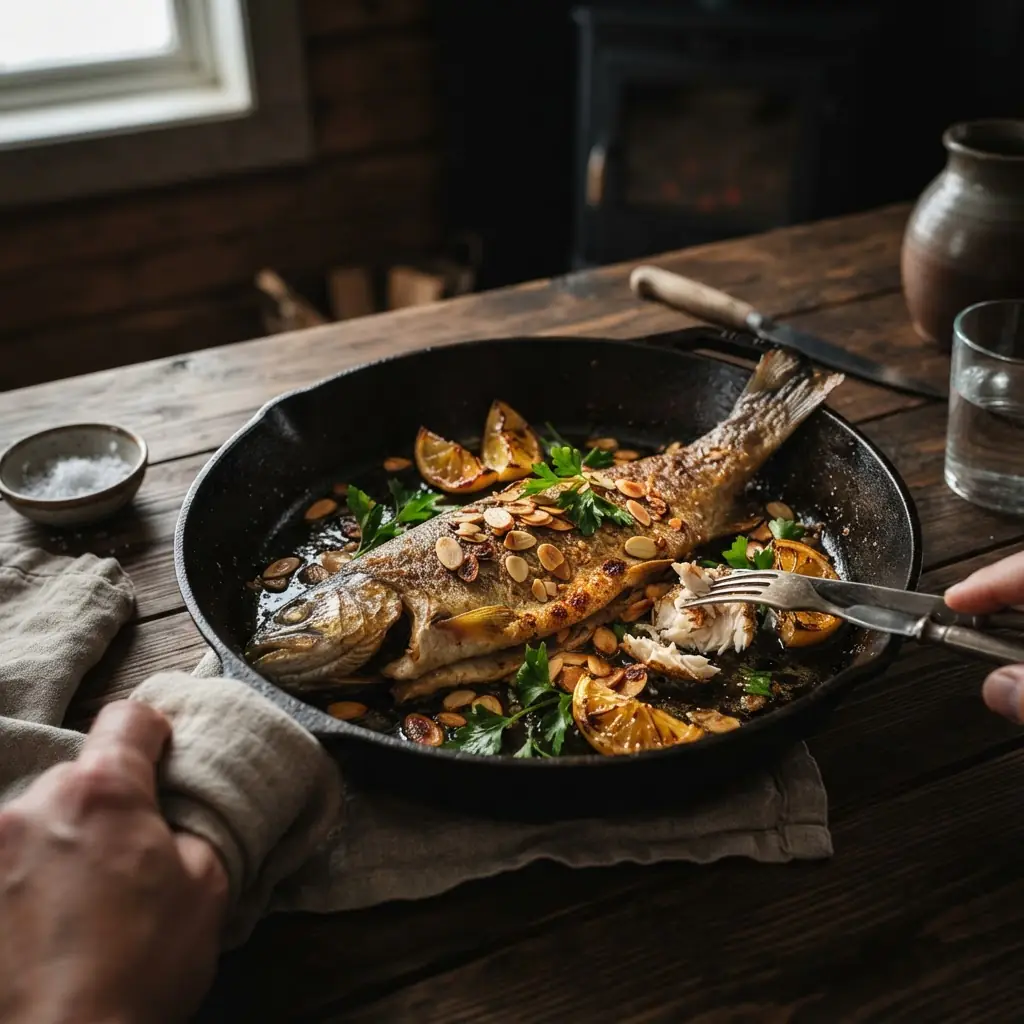
Whole mountain trout crisped in brown butter with almonds, its flesh sweet from ice-cold water.
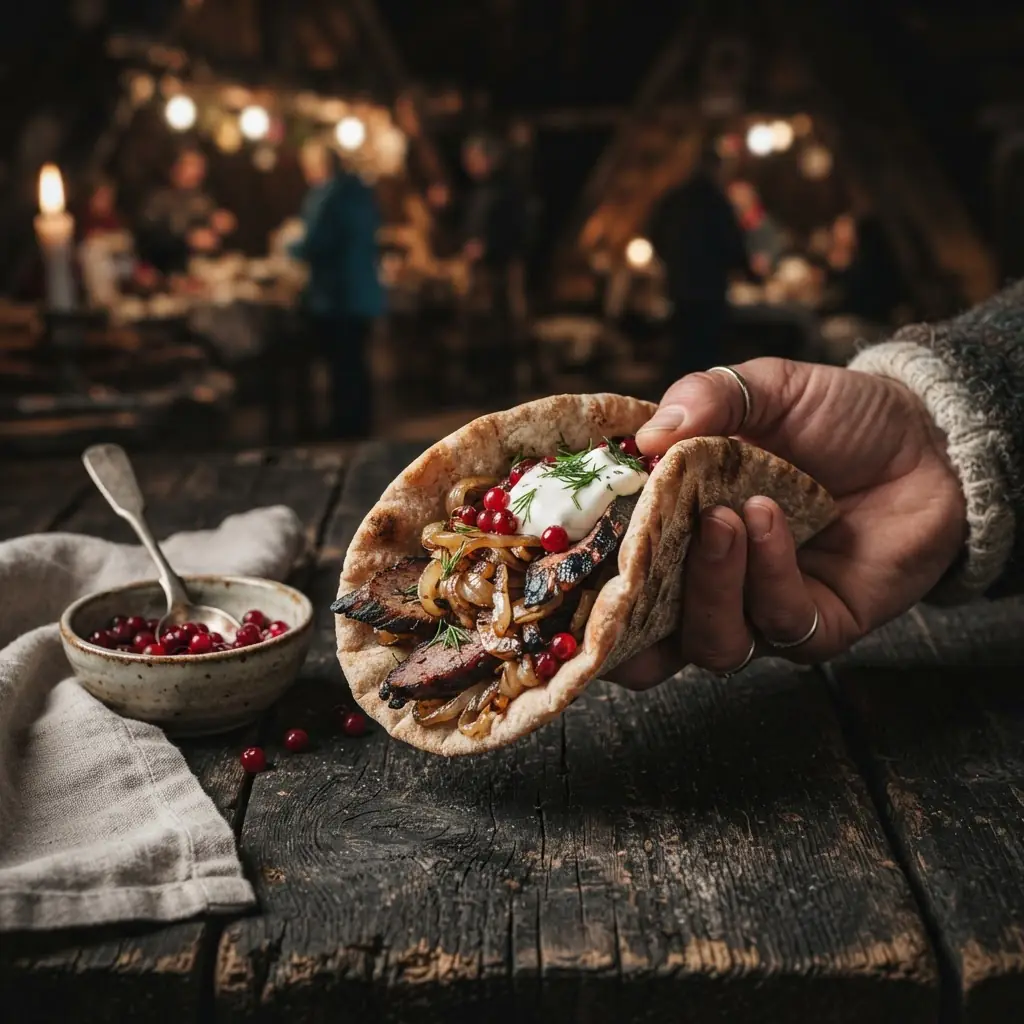
Smoke-cured reindeer, thinly sliced and seared hot, wrapped in soft gáhkku bread with lingonberry.
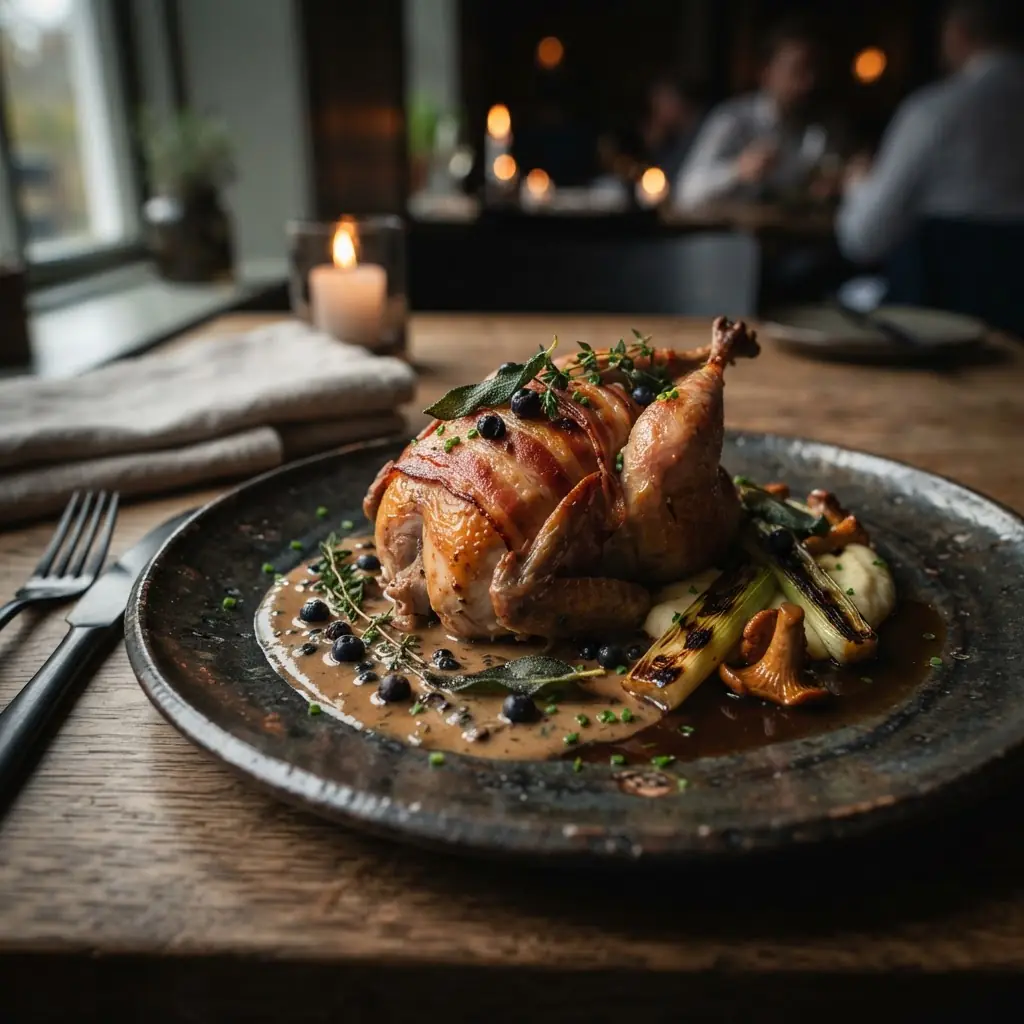
Roasted ptarmigan in a cream-and-game sauce, the leanest of northern birds turned rich and tender.
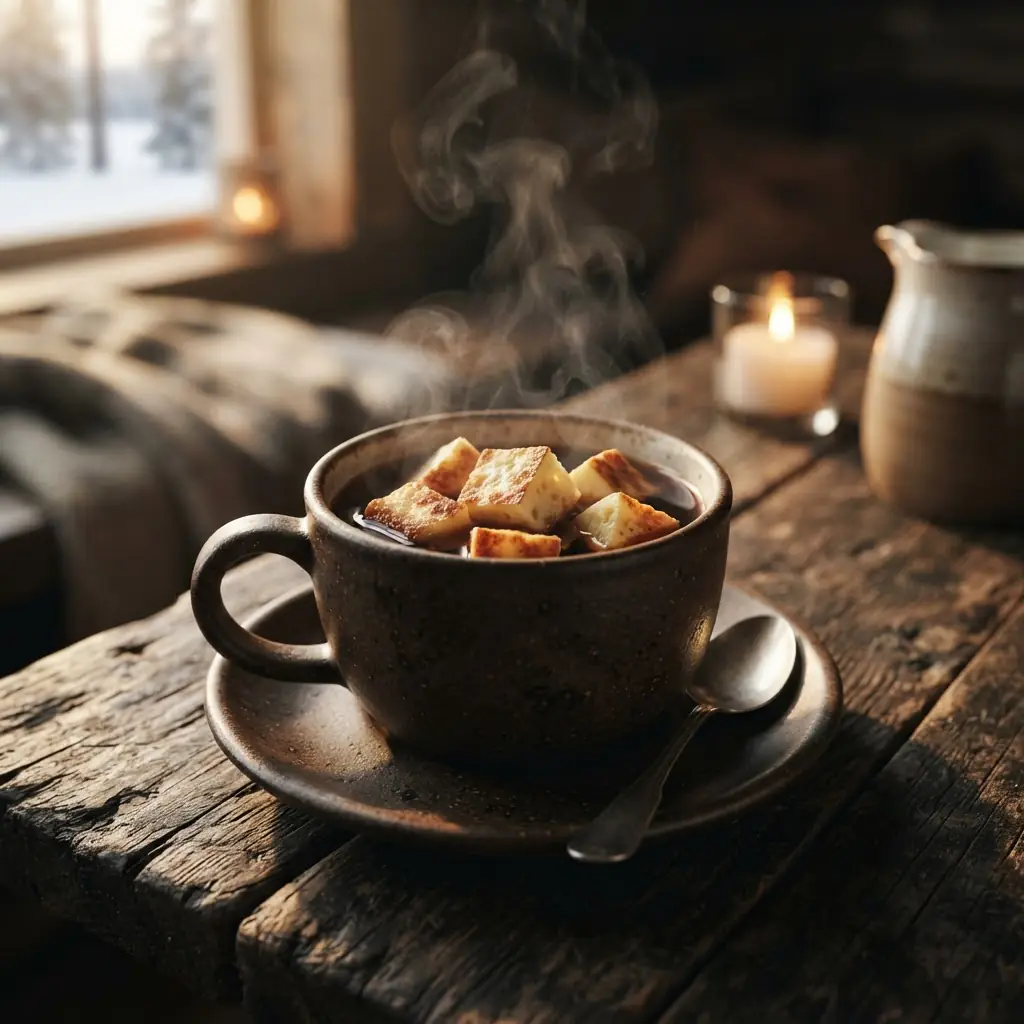
Squeaky cubes of baked cheese dropped into strong, hot coffee — the north's beloved warming ritual.
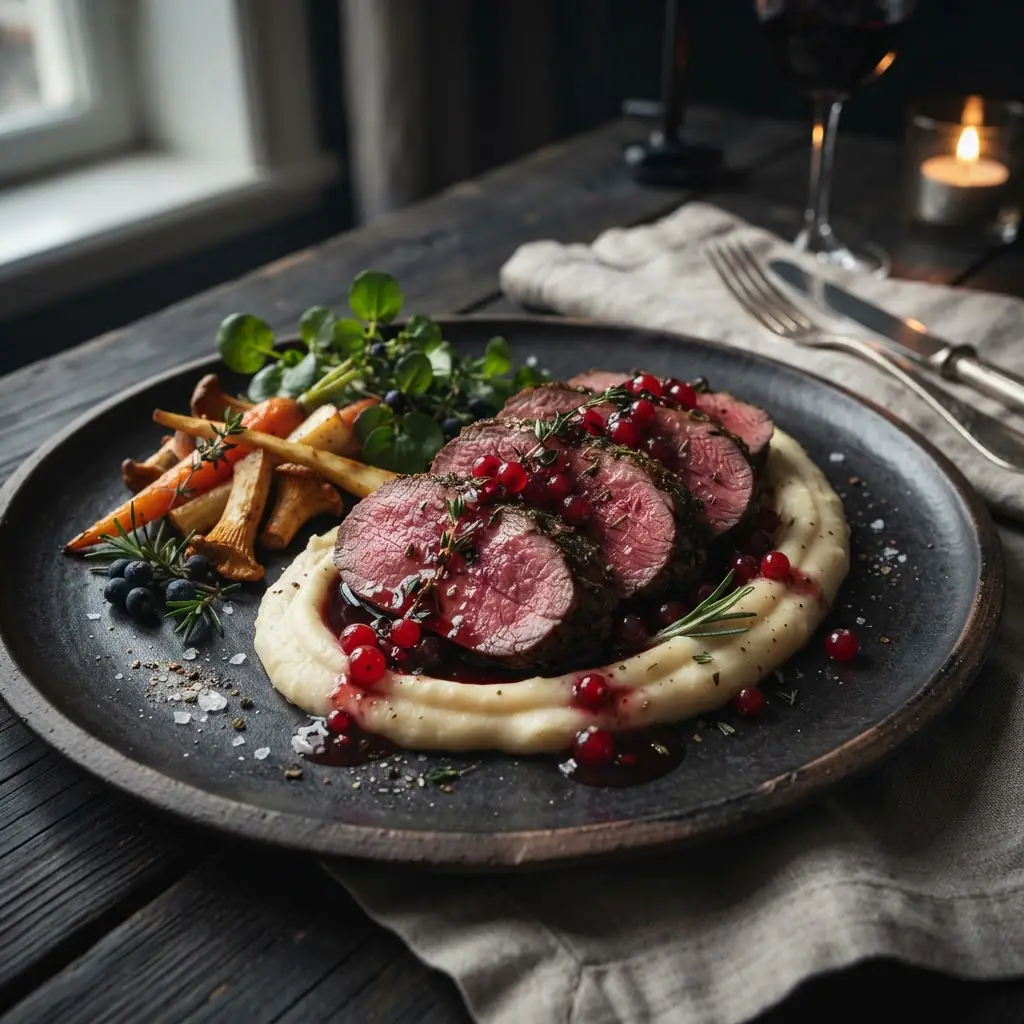
Roast wild venison larded and glazed, served with root-vegetable purée and a dark berry jus.
Written by the Norcook editorial archive. No individual author is named on this hub, and its source panel is not a qualified review of any linked recipe — see the editorial and food-safety policy.
Content last checked: